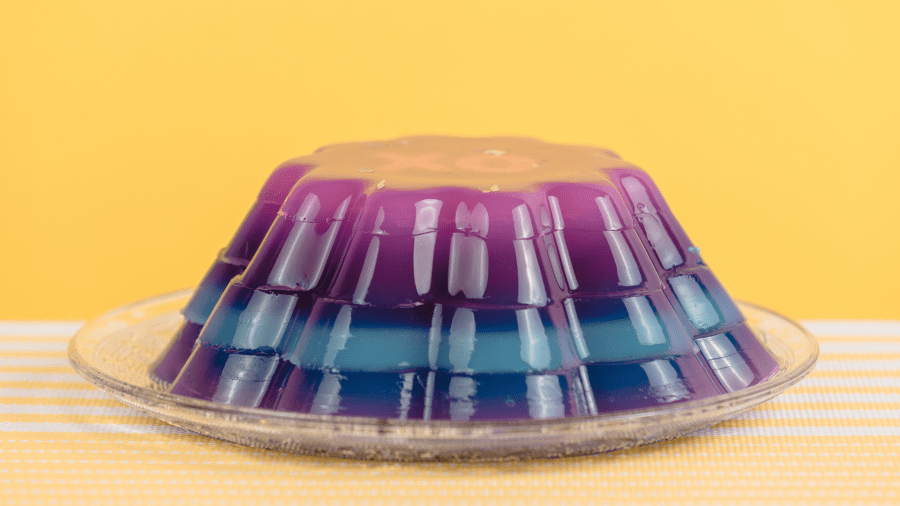
Taxidermy by Sarah Fawn Montgomery

Frozen to a position
more pleasing, I am

at last a specimen
to your liking, mount

made still, silent
and shellacked to shine,

woven with wire
to shape your desire

onto what is no longer
living, though you’ve bound

me down, hollowed
heart and liver, tangled

arteries and mellow
fat left to harden

on the table, blade
abandoned for thread

to stitch around emptiness
and how I howl

mouth stretched wide
like wound and the want

of your reflection
in my vacant glass eyes.


Sarah Fawn Montgomery is author of Halfway from Home (Split/Lip Press), Quite Mad: An American Pharma Memoir (Ohio State University Press), and three poetry chapbooks. She is an Assistant Professor at Bridgewater State University.

Your Stepfather, the Giraffe by Cathy Ulrich

(“Your Stepfather, the Giraffe” originally ran in Gravel Magazine in November 2015 and was nominated for a Pushcart Prize. It currently appears in Cathy’s new collection, SMALL, BURNING THINGS.)


On the twelfth anniversary of your parents’ divorce, your mother calls you up.

I’ve met someone, she says. There’s something breathless in her voice, something fluttering. She wants you to come to the house to see him. She always calls it, the house. Are you coming to the house this Thanksgiving? You should come by the house this weekend, and I’ll give you some home-baked chocolate chip cookies. As if it doesn’t belong to either of you, especially your mother.

Will you come? she says, and so you do.

Your mother greets you at the door of the house, a diamond ring winking garishly on her finger.

It was love at first sight, your mother sighs, and takes you round back of the house, where her new husband is contentedly grazing off the tops of the neighbors’ trees.

His name is Howard, says your mother.

Her giraffe ducks its head in your direction, as if in greeting.

You’re probably upset I didn’t invite you to the wedding, your mother says. It was just a small ceremony. Just us and the judge, and your Aunt Susan as witness.

She reaches out and strokes her giraffe’s leg. It was all very spur of the moment, you know.

Your mother has always been the type who likes the spur of the moment, not like you, or like your father, who would never do something like fall in love with a giraffe. Your mother likes to say your father lacks an adventurous soul. Sometimes they meet for lunch (to discuss you, you assume, for they have never had anything in common outside of that), and they’ll embrace politely upon parting, your mother brushing your father’s cheek with her lips.

We’ll have to do it again sometime, your father says, and your mother laughs.

I should never have married an accountant, she says. So predictable.

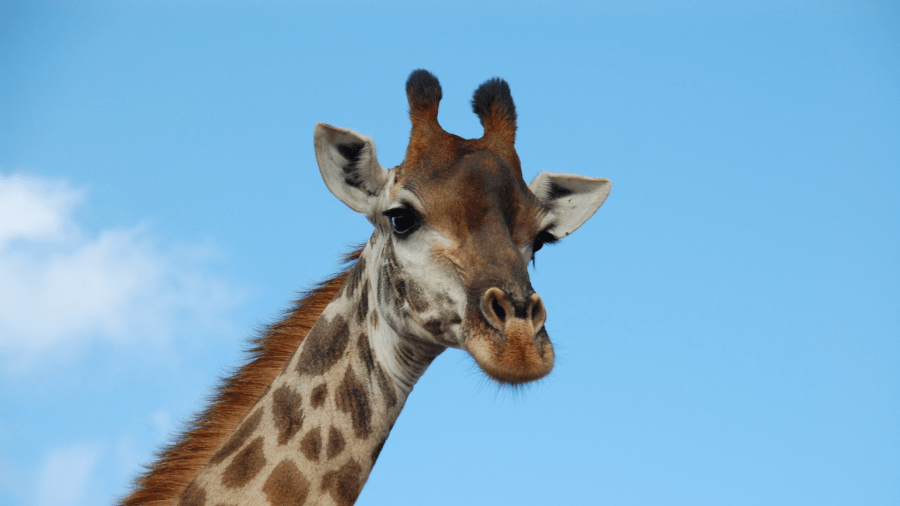
Her new husband, she says, hasn’t got a head for numbers (it’s one of the things I love about him, she declares jauntily, running her hand tenderly along the giraffe’s leg). Your mother has become an expert on giraffes since the last time you saw her. She says her giraffe is a Masai giraffe—you see the distinctive blotches on his coat, she offers in a tour guide’s voice—and that the horns atop its head are actually called ossicones.

He’s a ruminant, you know, she says.

The whole time, your mother’s giraffe has been eating from the neighbor’s trees, muscles twitching at her caress.

We’re moving to Kenya, says your mother. He’s so lonely here.

The plan, she says, is for her to travel with her husband with only what she can carry on her back. She has vowed not to be jealous if he mates with other giraffes.

I know he’d like to have a child of his own, she says. Who doesn’t want that? and strokes the top of your head with her free hand.

Besides, she says, giraffes don’t mate for life.

We’re an exception, she says, showing you again her diamond ring.

She says she’s always wanted to visit Kenya and, while they’re gone, you can stay in the house.

Much nicer than that cramped apartment of yours, she says.

Her giraffe tears some bark of a tree limb and chews it noisily.

What about lions? you say.

Your mother blinks, her calf eyes dull and wide, like the giraffe’s. Well? she says. What about them?

Cathy Ulrich is the founding editor of Milk Candy Review, a journal of flash fiction. Her work has been published in various journals, including Black Warrior Review, Passages North, Split Lip Magazine, and Wigleaf and can be found in Best Microfiction 2022, Best of the Net 2022, and Wigleaf’s Top 50 Very Short Fictions 2022. Her new short story collection, SMALL BURNING THINGS, was released by Okay Donkey Press in 2023. She lives in Montana with her daughter and various small animals.

Amazon Reveals Feature That Teaches Alexa to Sound Like Your Dead Loved Ones by Todd Dillard

When I chat with my mother
lately it’s about the internal

temperature of cooked chicken,
the ingredients for a DIY fly trap.

The baby naps and my mother plays
Tracy Chapman the way she used to.

When the baby wakes up he rips
my mother out of her socket

and her silence fills the room
like water in a suicide’s tub.

Sometimes my mother tells me it’s going to rain.
After, she says, “Have a nice day Todd.”

The way she says my name is plastic
orchids on a snow-covered headstone.

(The way I say her name
is by not saying her name at all.)

I don’t ask Mom why she lights up
when my wife and I lay together in bed.

I’ve learned with the dead
there’s something you need to know

and when they tell you
they die all over again.


Todd Dillard’s work has previously appeared in GuernicaWaxwingAdroit JournalFairy Tale Review, and Sixth Finch. His debut collection Ways We Vanish (Okay Donkey Press) was a finalist for the 2021 Balcones Poetry Award. He is a Poetry Editor for The Boiler Journal, and lives outside of Philadelphia with his wife and two kids.

The Werewolves of Camp Emerald Lake by L. Soviero

The big kids tell us small kids about the werewolves of Camp Emerald Lake. About how it’s super easy to turn into one. All it takes is meeting it in your dreams. Over the first week of camp, it’s all anyone can talk about—in the mess hall, during swim lessons, while on flora and fauna photo hunts, when constructing pinecone bird feeders to send home to our folks. I hate all the talk. Only because I don’t understand the fuss. But the girls from my cabin ask the big kids what attracts a werewolf. And Nancy, whose dad is a Marine, which we decide gives her inherited authority, says we need to leave raw meat under our cabin stairs.

So, Bonnie and Katrina and Meg steal hamburger patties from the mess hall freezer. And even though Nancy never advised it, Bonnie decides it can’t hurt if we eat some too. Marry us to the meat. We divvy up portions and pop them in our mouths, and I can’t help but feel it tastes like the end of a AA battery (though, don’t ask me why I know that). It’s Katrina who has the nightmare first. Because that’s what it ends up being. In it, the full moon swelled like a spider’s egg sac in a starless sky. There was a baying too, somehow both far away and under her skin. It gurgled at times, full of woebegone guts and melancholy blood.

None of us believe her the morning she tells us, but she says, come and see. And we gather around her in the corner of the cabin like she’s a toasty fire. She pulls up her nightgown. And between her legs is a poof of brown, bushy hair. It’s not real, one of the girls says. Katrina shouts that it’s as real as church, and she lets us take turns patting it. It reminds me of Brillo. Maybe not as rough, but still strong enough to scrub a plate. After that, all the girls are desperate to be werewolves, so the big kids tell us it has to be a fresh kill this time. Bonnie says her brothers are manly men with pickups and callouses, and they taught her how to chop wood with a small axe and use the sun as a compass and set traps for God’s small creatures.

So, she shows us how to do that last one with a few simple supplies: some yarn, a forked stick, a wicker basket from the arts and crafts center. And her trap is the real deal, 100 per cent fool proof, because we catch us a baby bunny. Nose wriggling. Eyes alive with the fear of death. But now that we have the bunny nobody wants to kill it until Megs grabs it by the ears and swings it against a tree. It’s brutal, but fast. We cut its throat with a Swiss army knife and take turns sucking its blood. We giggle because it looks like we’re wearing lipstick. We get real silly and blush our cheeks with it too, and for some of us it’s the first time we’ve worn makeup.

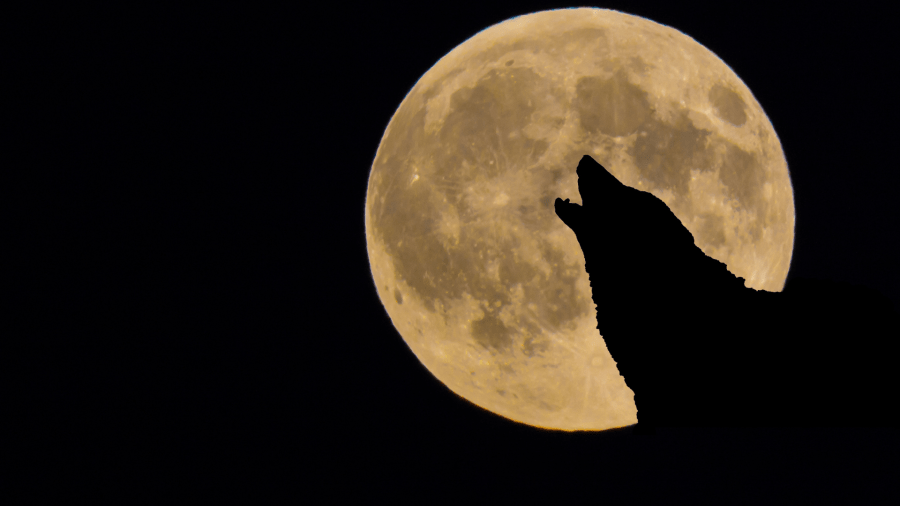
That night, we’re skeptical because we know the big kids like to mess with us small kids, but when we go to bed we do so with our fingers crossed. Whispering lispy prayers to the star dust. When we wake up in the morning, it’s worked. We all have our very own tufts. And on each of our beds are dark stains in the most beautiful of patterns. Like the ink blots the doctor showed me in his office those days after mom passed. Luna moths. Galaxies gobbling other galaxies. Pelvic bones exploding like rotten fruit. He showed me the patterns because I didn’t want to talk. And when I did talk, all I did was scream. But I don’t want to scream anymore. Not when I can howl. That’s what we do when the moon’s as swollen as our moms’ bellies were with us. And if you go out into the darkness, you’ll see us there—not as girls, but as silhouettes against a perfect moon—with mouths open, ready to take a bite.

L. Soviero was born and raised in Queens, New York but has made her way around the world, currently laying her hat in Melbourne. She has been nominated for Best Small Fictions on multiple occasions and a Best of the Net, and has been longlisted for the Wigleaf Top 50. Her story “Lucy Ignores Death” was spotlighted in the 2021 Best Small Fictions anthology. Her recent or forthcoming work can be found in Cloves Literary, Janus Literary, and Emerge Literary Journal. A more comprehensive list of publications can be found at lsoviero.com.

Bundle of Joy by Catherine Weiss

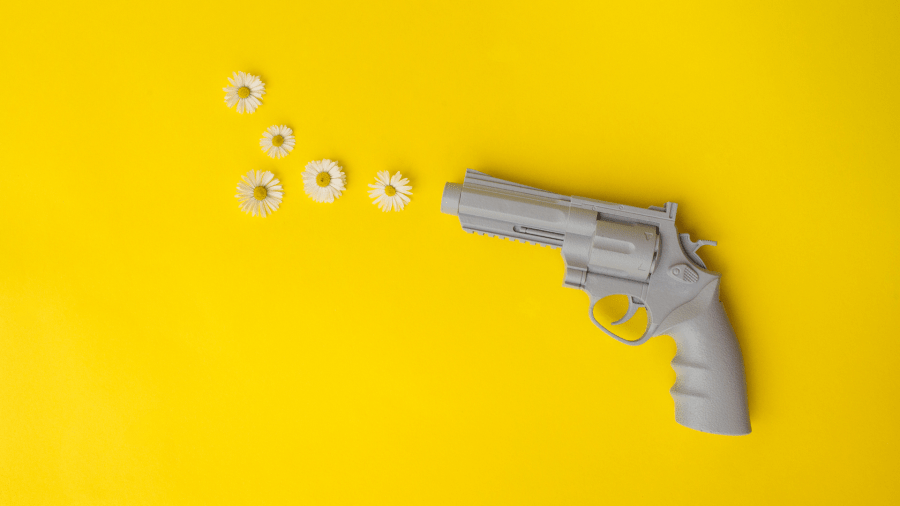
if you are ever handed a gun
in a social setting

there is this funny
expectation

that you coo
over design or heft,

maybe portability.
it is polite to find

some reason to admire
the machine.

when the new friend
laid the weapon

onto my lap
i couldn’t appreciate

in that moment
its promise of violence.

your gun is beautiful.
you should be very proud.

i am thinking of the newborn
my sister-in-law birthed

two days ago.
i’m afraid

to hold a gun
and a baby

for two different reasons
but my hands

feel dangerous
in just one way.


Catherine Weiss is a poet and artist from Deer Isle, Maine. Their poetry has been published in Tinderbox, Up the Staircase, Fugue, Bodega, Counterclock, petrichor, HAD, Taco Bell Quarterly, and Flypaper Lit. Catherine is an artist behind the collaborative poetry chapbook/card deck I WISH I WASN’T ROYALTY (Game Over Books, 2020). They are also the author of the chapbook-length poem FERVOR (Ginger Bug Press, 2021), and the full-length poetry collections WOLF GIRLS VS. HORSE GIRLS (Game Over Books, 2021) and GRIEFCAKE (Game Over Books, 2023). Find more at catherineweiss.com.

Look Under the Bed, Please? by Brianna Johnson

Content warning: childhood SA


I told my parents there was a monster under my bed. I asked them to look. Instead, they complained of sore knees and bad backs. The trip to the floor and back was too far for their joints to make. They told me it was probably nothing, just a lost Barbie doll, or an old LEGO brick. I decided to believe them.

Then the scratching started. They told me it was just the floorboards settling, or roaches, or mice scurrying to and fro. They said don’t worry they’d set traps in the morning.

I decided to believe them, but then my bed began to shake. They told me it was possibly an earthquake, or termites chewing at the bedposts. I didn’t need to worry.

I struggled to believe them when I heard a voice in the dark. My parents blamed the radio and the neighbors’ loud TV. I told them it knew my name. They said they didn’t have time for this. They were tired. Didn’t I know how late it was? Didn’t I know how hard they worked? It was just my imagination. They’d deal with me in the morning.

They said similar things when I told them how dad’s friend, Uncle Simon, kissed me hard on the mouth. His teeth scraped mine. They said he probably just missed my cheek. I should’ve turned my head. Or I turned it the wrong way. I decided to believe them. So, I didn’t tell them when it happened again at the 4th of July barbeque, at the pool party, at my birthday… I just needed to keep turning my head.  

Then the voice beneath my bed spoke again. My name, my name… rang in my ears. Its voice was scratchy, like a smoker’s, like Uncle Simon’s.

I pulled the blanket over my head. I plugged my ears with my fingers and squeezed my eyes shut. Maybe it would stop if I just turned my head. So, I tilted and bent trying different angles, like the antenna on my nana’s TV. She called them rabbit ears. I imagined myself as a bunny burrowed in the blankets of my bed, safe and sound.

My name, my name still scratched in the dark. No, it was just my imagination.

In the morning, I yelled for my parents. They showed up with mugs of fresh drip coffee and the sleep washed from their eyes. My mom had removed the rollers from her hair. I watched as they looked for me in the closet, under the blanket, out of the still closed window… never where it really mattered—nowhere even close.

From under the bed, I watched their fuzzy slippers shuffle toward the door. I tried to yell again when they shrugged and left the room. The monster put a claw over my mouth. It shook its head and looked at me with its many pitying eyes. What good would it do? I knew this to be true, so I decided to stay here in the unending dark.

Brianna Johnson’s stories have appeared in Cosmonauts Avenue, Gigantic Sequins, The Molotov Cocktail, Wigleaf, Kenyon Review, Obsidian: Literature & Arts in the African Diaspora, and elsewhere. An alumna of the Tin House Summer Workshop and Hurston/Wright Weekend Workshop, she is a two-time Pushcart Prize nominee with work longlisted for the Wigleaf Top 50. An MFA graduate from The University of Tampa, she teaches college English in Orlando, FL. Visit Brianna online at her website, on Twitter, and on Instagram.

Autumnkraftwerk by Jay Aelick

What’s left to say about fireflies,
their whimpering glow?
In late August, the leaves are a Kantorei
of uranium. Not long now

until they fall,
sizzling in the creek’s cool flume.
Time makes mushrooms
of us all.

Jay Aelick is a birdwatcher, disc golfer, tarot reader, and sometimes even poet. Their work has previously appeared or is forthcoming in The Journal, The Blowing Rock Art and History Museum, Barely South Review, and elsewhere. They are one half of the St. Balasar University English Club podcast, where real critique partners at a fake university workshop the books the internet had written off.

It’s Me, a Selfie by Lindsey Peters Berg

After scrolling past another photo of Portia’s baby contorted against age blocks, Daisy posted a picture of herself and captioned it, “Are you there, external validation? It’s me, a selfie.” She thought it was so clever that she searched the phrase on Twitter to make sure she hadn’t accidentally stolen it from an old tweet she’d forgotten about. This yielded zero results, which first made her feel like the funniest fucking bitch on the planet, then second, created concern that perhaps the caption actually made no sense. But she didn’t really need it to make sense, exactly, just to draw attention to her personal freedom and general youth. And to her spaghetti-strap crop top, a garment she had purchased after Reformation boldly described it as “SLUTTY” in their marketing email.

Daisy took a day-old bottle of wine from the fridge and poured herself a glass, feeling powerful for taking a two minute break from her phone. Especially after posting content, she thought. When she picked it back up, her home screen showed three notifications, all emoji responses from her book club girls. Nice. She opened Instagram and tapped the shimmering circle around her profile picture. Red hearts burst from the lower corner of her screen as she reviewed the story again.

Are you there, external validation. It’s me, a selfie. She was pretty sure it did make sense.

Daisy imagined Portia examining the photo closely, holding one of her full breasts as she admired Daisy’s braless liberation, sweet milk oozing through her fingers as she longed for a body that was, once more, just her own. Daisy had moved away from their bleak Illinois suburb a year ago, to a city with palm trees and mountains and grown women wearing children’s clothes. Now she occasionally attended graveyard movie screenings and natural wine tastings so she could post pictures of them the next day, during peak scrolling hours for the central time zone.

Daisy sipped her wine and tapped the word Activity at the bottom of her screen. A girl she considered a friend—also single in the big city—had watched the story but didn’t comment, which confirmed to Daisy that she was mad at her and/or actually hated her.

Daisy scanned her mental files for reasons she could be hated, landing upon contenders like annoying, into herself, weirdly pretentious even though her music taste hasn’t evolved since high school, and seems nice at first but when you get to know her actually isn’t which has led some of her loved ones to politely refer to her as ‘sharp.’ Then she decided that, in fact, it was her friend who was actually the bitch for hating her when she didn’t even do anything.

Daisy clicked the friend’s story and watched a short video of her betta fish. She nonsensically replied, YOUNG HOT FUN CLUB!, with a fire emoji, hoping this cleared the air.

Daisy revisited her Activity list to see if Portia had seen her story yet. She was wondering if perhaps she looked too good in today’s selfie, if Portia might be so taken aback by her attractiveness that she was simply rendered speechless, when a notification banner appeared across the top of her screen with a name that sent her heart to her throat. Kevin.

The message said, lol.

He was her high school crush. It was the first time he’d commented on any of her stories. Why this one? Maybe she really did look incredible. Daisy downed the rest of her wine and refilled her glass. She needed to be slightly out of her mind if she was going to respond.

They were thirty now. Could this lead to a sexting situation? Daisy had always fantasized about late-night messages from a past admirer, someone who had longed for her years ago. I still jerk off to you, they’d say, and fuck, I love doing it. She’d scold them like she was horrified, then surprise them by asking for details. What do they imagine her wearing? What do they imagine her doing?

Daisy gulped her wine, intimidated by the task of getting the conversation there by way of lol.

She clicked Kevin’s profile and scrolled past photos of him golfing to one with his wife and two toddlers in front of their home. Daisy said, “I guess everyone has a fucking baby now,” out loud. To no one. She zoomed in on Kevin’s wife and entertained an internal Family Feud game as to which mall store she’d bought her outfit from. Daisy cast votes on Madewell and Guess but stopped once she landed on Buckle, remembering that she’s a feminist.

Zooming back out to the ranch house almost certainly full of Hearth & Hand woven baskets, Daisy wondered if Kevin really wanted to be a dad. She pictured him tapping through his Instagram stories and sniffing a glass of mid-range whiskey, one child screaming and the other chewing on a Polly Pocket dress in the next room, as he landed on Daisy’s picture. He pressed his thumb on her chest so he could look at her longer. Are you there, external validation? It’s me, a selfie. He smiled and tapped the Send Message bubble at the bottom of his screen. He wrote lol, but what he meant was, You look great. I missed out. Or maybe, Why didn’t I realize you were cool, or even, I love my wife and I love my kids but sometimes, when I look at you, I wish I never had them.

With her second glass of wine empty, Daisy stared at Kevin’s “lol.” She typed, What’s so funny?, erased, You remember me?, erased, You have literal children?, erased, Am I hotter than your wife?, erased, Would I look hot pregnant?, erased, Am I a fucking loser?, erased, Am I falling behind?, erased, Would a baby make me stop hating myself?

Her phone vibrated in her hand. It was Portia. Yessss girl!! GORGEOUS! P.S. Xander says HI!!! Then a selfie with her baby, his tiny, soft body resting in the curve of Portia’s arm. Her fingers squeezed his terry-socked foot. She looked happier than Daisy had ever seen her.

Daisy flicked away the notification and stared at Kevin’s message. She clicked her screen to sleep.

Adding her wine glass to the pile of dishes in the sink, Daisy thought about Portia. It was past midnight in Illinois. Why was she awake? Maybe her baby had trouble sleeping. She must be so tired. Daisy wondered if she was capable of caring for someone that much. She wondered what it would feel like — to kiss a newborn belly, to trace a finger along mini heart-shaped lips. To be a mother.

She slipped into bed without brushing her teeth and looked at the moon through the window. It was a weird orange-red color, vampiric and full. Her room had a balcony attached to it, and she considered stepping out to the metal railing for a closer look. Instead, Daisy stayed in bed and tried to guess if it was a Blue Moon or a Harvest Moon or a Super Moon. She didn’t have the answer. She closed her eyes and made a story up.

Lindsey Peters Berg lives in Los Angeles. Her fiction has appeared in Rejection Letters, HAD, and Moot Point Magazine. Currently, she’s at work on her first novel. Say hi @lindspetersberg.

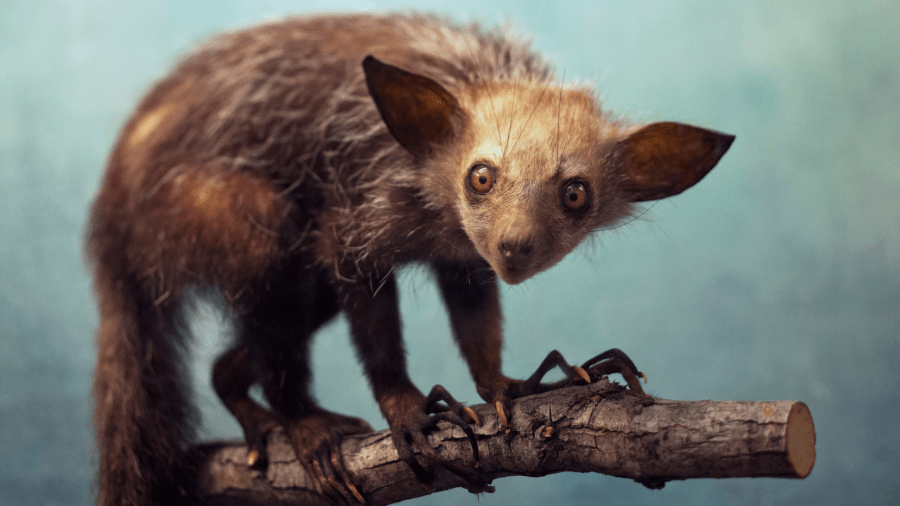
Sapidissima by Amrita V. Nair

I think you have me mistaken
For something else entirely
It’s easy to do that with me
Happens all the time, really
I just have one of those faces
One of those faces that make you think
That I am harmless and boneless
That you can reel me in and check my weight
And throw me back again and again
And that even as I am gasping for air
I will thank you for your time
That even being considered is a privilege
I think it will be all sorts of awkward
When you finally deign to eat me
I might be a delicacy
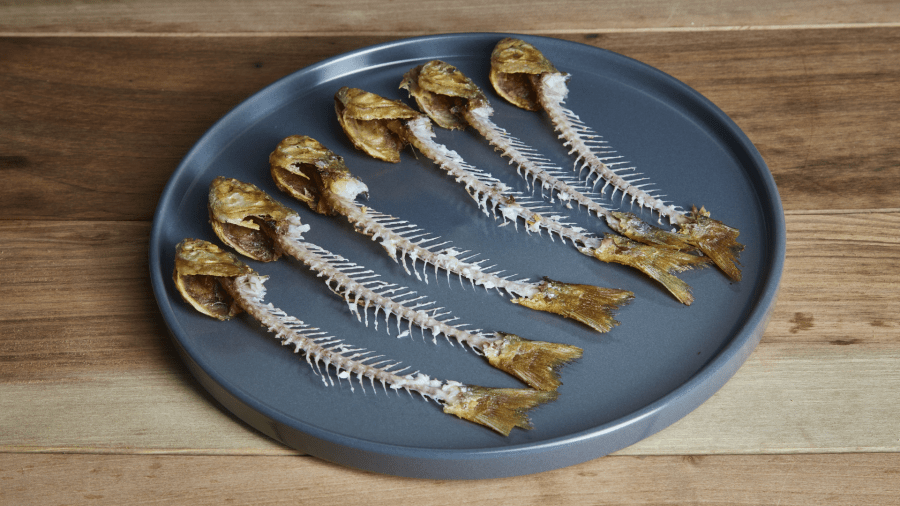
But I have 3,000 bones
They will each do their very best
To stick in your craw.


Amrita V. Nair (she/her) is a poet from India who currently lives in the traditional, ancestral, and unceded territory of the Coast Salish peoples (Vancouver, Canada). Her poetry has appeared in Anak Sastra, Kitaab, The Nervous Breakdown, and Indian Literature and was included in The Bloomsbury Anthology of Great Indian Poems. You can find more on her website: www.amritanair.com.

Grounded by Helen Savita Sharma

Lately I’ve been too busy to visit my grave. To lay on the grass and soak dew into my skin. To whisper sweet nothings down into the dirt where only my skeleton can hear.

Sometimes I think I can see my headstone if I really squint. The other day I swore I spotted it on the horizon, pale green and blinking in midday moonlight, but a car honked on the street and the flat blare wiggled into my abdomen and broke my focus completely.

That’s one thing: without a skeleton in my body—a sealed bag of savory Jell-O, really, though no one’s yet noticed—sound moves differently. There’s no sharpness to things. Words wobble in and out of focus. Gunshots start soft and echo around, reverberate themselves into extinction.

But my god, sound is everywhere. Squeaky wheels on a grocery cart make my brain feel like crumpled foil. My daughter’s swim meet is torture.

Not torture. I’m proud of Ari. She’s twelve and still so small but she swims so fast, kicking her little feet up and down the pool until she comes up gasping at the end of the lane, pumps her fist when she realizes she made it back first. Little alien girl, her swim cap and goggles suctioned SMACK to her eye sockets. I couldn’t wear those. I doubt my head would hold its shape.

We’ve been fighting. Before, when she was two and three and a thigh-high hurricane, we didn’t fight. We were best friends who put each other to bed and elbowed each other in the boob by accident during spontaneous hugs and morning snuggles. But she’s gotten mean lately, cliquey with the blonde girls at theater camp and angry for the first time that her dad lives so far away. She told me I was weak the other day, after hearing me argue with him on the phone. She told me he was stronger. She called me spineless. Which, I mean. I am.

So I grounded her. Told her to show me a little goddamned respect. Took away her tablet, drank gin on the couch at midnight, flicking fingers across the unfamiliar apps she’d downloaded: YouTube, Candy Crush, a Barbie something-or-other that made my heart ache from how young it made her seem. An anonymous social media app where she’d said she was eighteen and given our home address to someone named Jarrett.

I let her go to her swim meet. The blonde theater girls don’t swim. Maybe she’ll absorb the other kids’ easy joy and pacifist approach to competition, maybe I have something to learn from their hippie grown-ups with their “COEXIST” bumper stickers and Gentle Parenting. I sit next to them on the bleachers which slowly smush my butt flat and I try to think about something other than the taste of friendly earthworms after heavy rain. Here I am, most of me, showing up.

But the noise. The noise. A thousand kids shouting from the pool deck and their thousand shouts made screams by a thousand whitewashed cinderblocks. I can’t cut through it. The sound seeps into my Jell-O flesh and stays there, leaks through into my brain in a steady roar. Ari is animatedly gesturing in the center of a group of taller kids. I slither off my bench.

I smoke a cigarette at a picnic table outside the rec center. It is dark. The picnic table is wet from rain earlier and smells like the forest it was likely kidnapped from. I put my face down on the table, inhale deeply, and think about my grave. The way the roots of grass lock together and keep my bones for me, in their pile in their box in the dirt miles and miles away.

Low beams of yellow light precede an older model sedan into the parking lot. It pulls up next to the picnic table and idles, driver still sat in silhouette beyond panes of smudgy glass. I watch the figure for a while, flicking my cigarette butt. He’s considering me, too. After a minute, the window rolls down two inches and a very faint voice calls something that I wouldn’t have registered at all if it wasn’t:

“Ari.”

I choke on smoke and my thumb bends backwards—it happens sometimes when I lose control—but I don’t think my shock is visible in the dark. I clear my throat, push smoke out of my lungs, steady my voice.

“Jarrett.”

I walk over and lean on the window. He rolls it all the way down so that I can rest my forearms on the door.

“Hey there, girlie.” His voice is rough and sickening and older than I had thought to fear. “You’re a grown eighteen.”

The cigarette is still burning in my hand. A squiggle of smoke trails into the car.

“Put that out,” he says.

The floodlights come on behind me. The swim meet is ending and families are starting to stream out of the building and into the parking lot. The white light leaves my face in shadow and outlines his features just for me and I reach in without thinking, lit cigarette in hand, and stub the ash in the cool wet of his left eyeball.

He screams. The families behind me turn as one to where I stand beside the unfamiliar car. I don’t look at them. He’s screaming and clawing at his eye and I walk around the side of the building out of the floodlight and disappear.

I text another mom from the swim team. Can Ari come home with you? Everythings fine, will pick her up in an hour.

I lay on the grass, on the shadowed field that sprawls behind the rec center. My nose flattens entirely to my face as I press it into the dirt. I close my eyes. I breathe.

I can feel my skeleton’s presence. She’s safe, I know she is. I’ll be there soon. Promise, baby girl. The soil here is different than at home, a different composition of loam and silt, but I inhale it viciously anyway and fill myself up with the pure base carbon that I am and always was. I soften. I imagine the grate around my plot, the gentle slope of ground above my bones. There’s silence.

Helen Savita Sharma is a librarian and writer working on her first novel from her home in North Carolina, where she lives with her partner and two cats. Helen’s passions outside of writing include “Higher Love” by Steve Winwood, ensemble dramedies, and watery Dunkin’ Donuts iced coffee.